Transforming Residential Recycling Through AI in Texas

The municipality faced significant challenges maintaining the quality of its residential recycling stream. Two persistent contaminants — plastic bags and yard waste — posed the greatest threat. Plastic bags, the most common recycling contaminant in the US, cannot be recycled through standard streams. Yard waste, while organic, contaminates otherwise recoverable material.
When contamination exceeds a threshold, recycling facilities are unable to process the load, sending large quantities of recyclable material to the landfill. As a result, recycling facilities increase prices and may begin refusing loads from haulers who frequently bring contaminated material.
Traditional methods relied on removing contamination once it arrived at the facility — time-consuming, resource-intensive, and providing no visibility into contamination patterns or the ability to identify problem areas or residents.
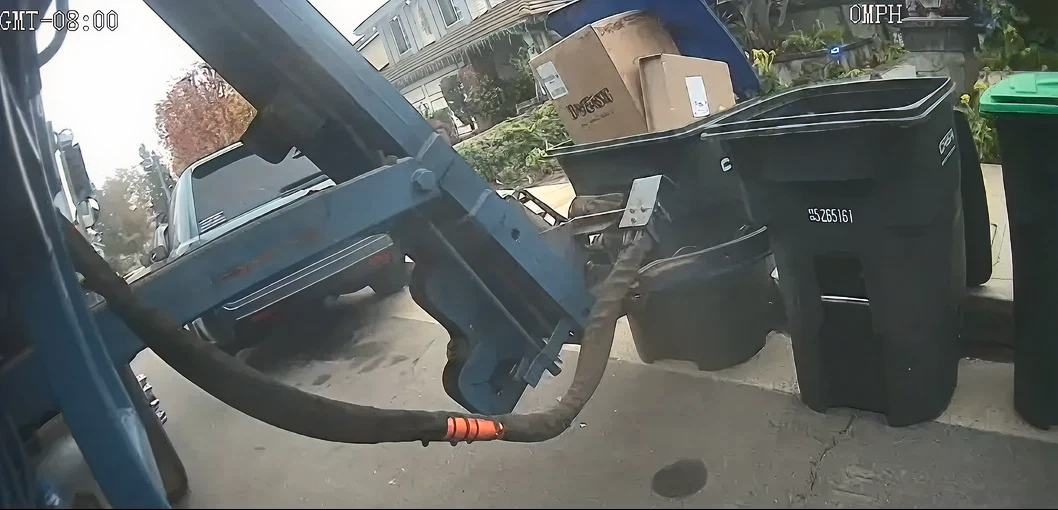
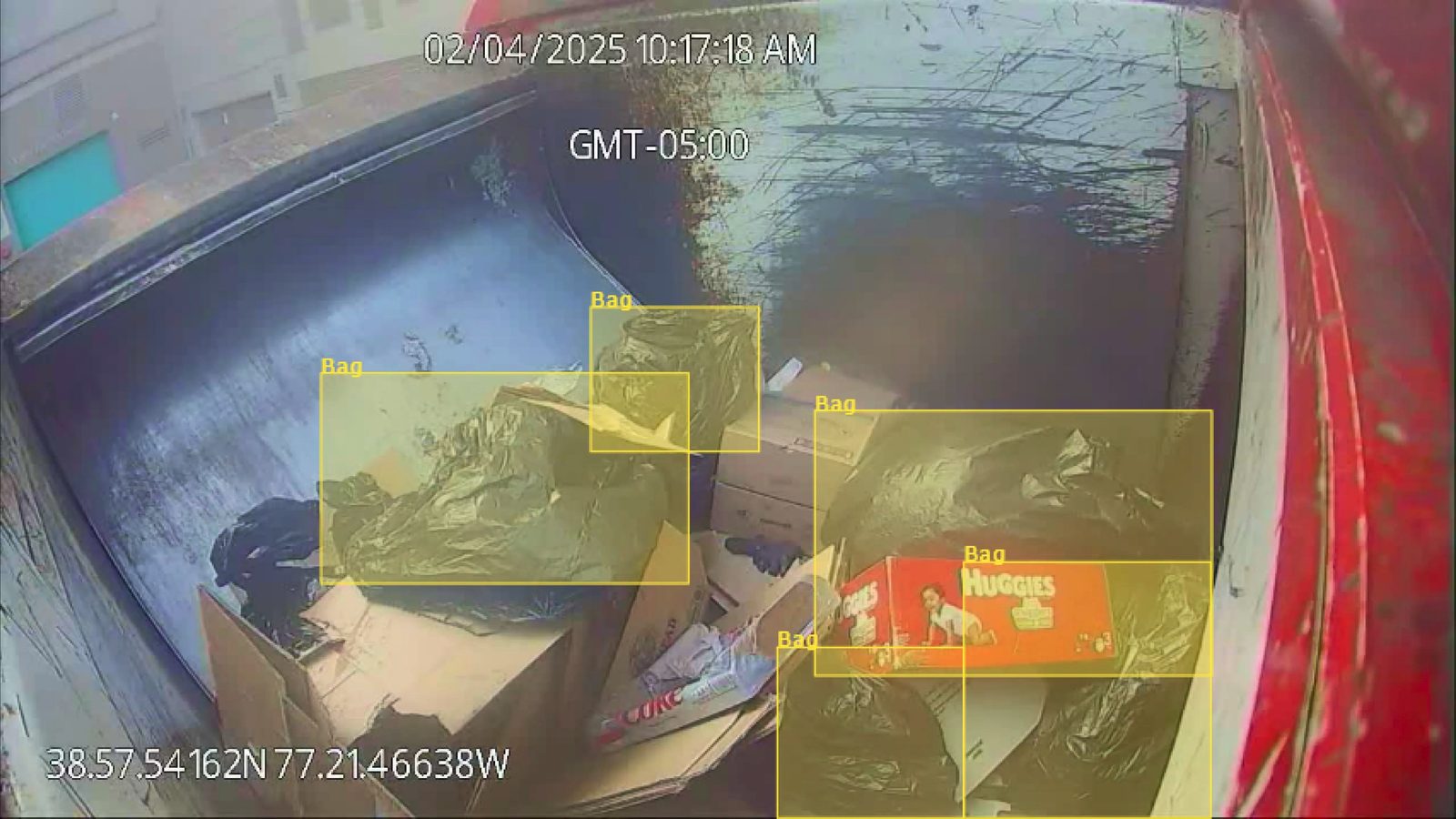
WasteVision AI deployed advanced camera systems inside the hoppers of the municipality's collection trucks. Using computer vision models trained to detect specific contamination types, the system automatically processed images in real time, flagging contaminated loads and associating events with specific addresses and routes.
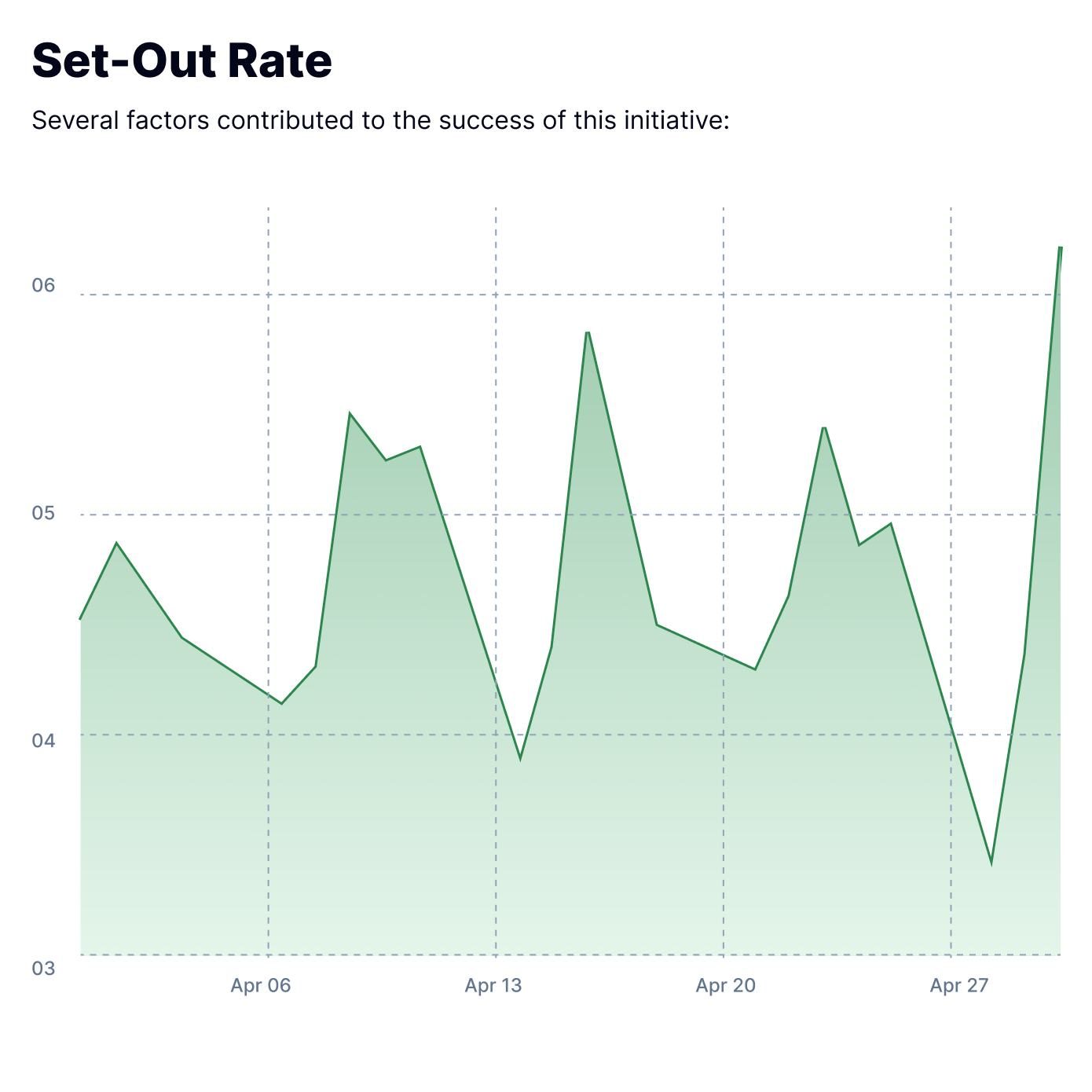
Using WasteVision's PowerBI Connector, contamination data was seamlessly integrated with the city's daily route data and set-out rates, enabling the sanitation team to view contamination rates by neighborhood, route, or household, track participation levels, and identify high-priority areas for intervention.
Armed with this granular data, the municipality launched a targeted outreach campaign — sending personalized postcards to households with repeat contamination, specifying the contamination type and encouraging improved recycling habits.
The municipality achieved significant reductions in contamination rates by shifting from reactive processing at the facility to proactive identification at the curb. Residents responded positively to personalized, specific feedback compared to generic mass messaging. The data-driven approach enabled the city to focus resources on the highest-impact areas rather than broad, untargeted campaigns.
Key factors that drove success included real-time automated detection that eliminated delays and blind spots, seamless PowerBI integration for actionable decision-making, and a scalable technology platform that can extend to additional routes or contamination types as needed.
Technologies Deployed