 Fleet Safety Hardware for Collection Routes
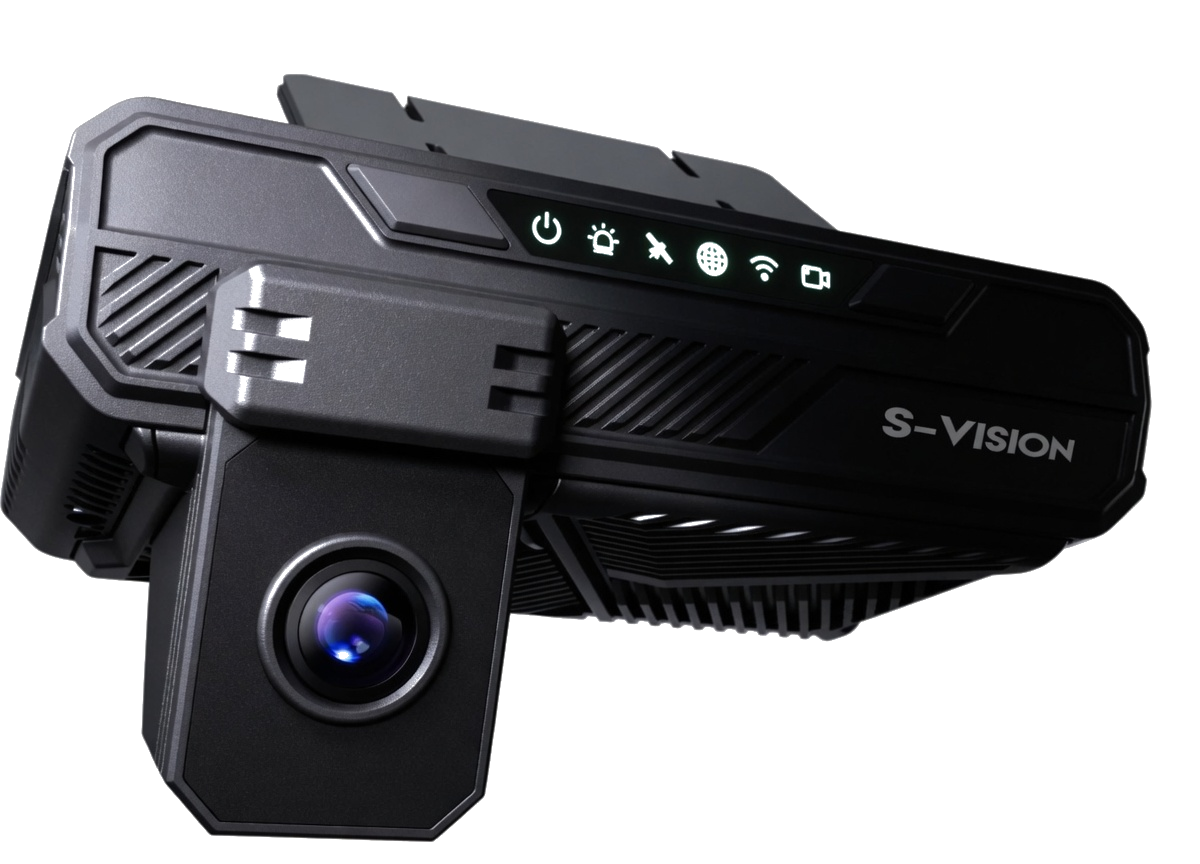
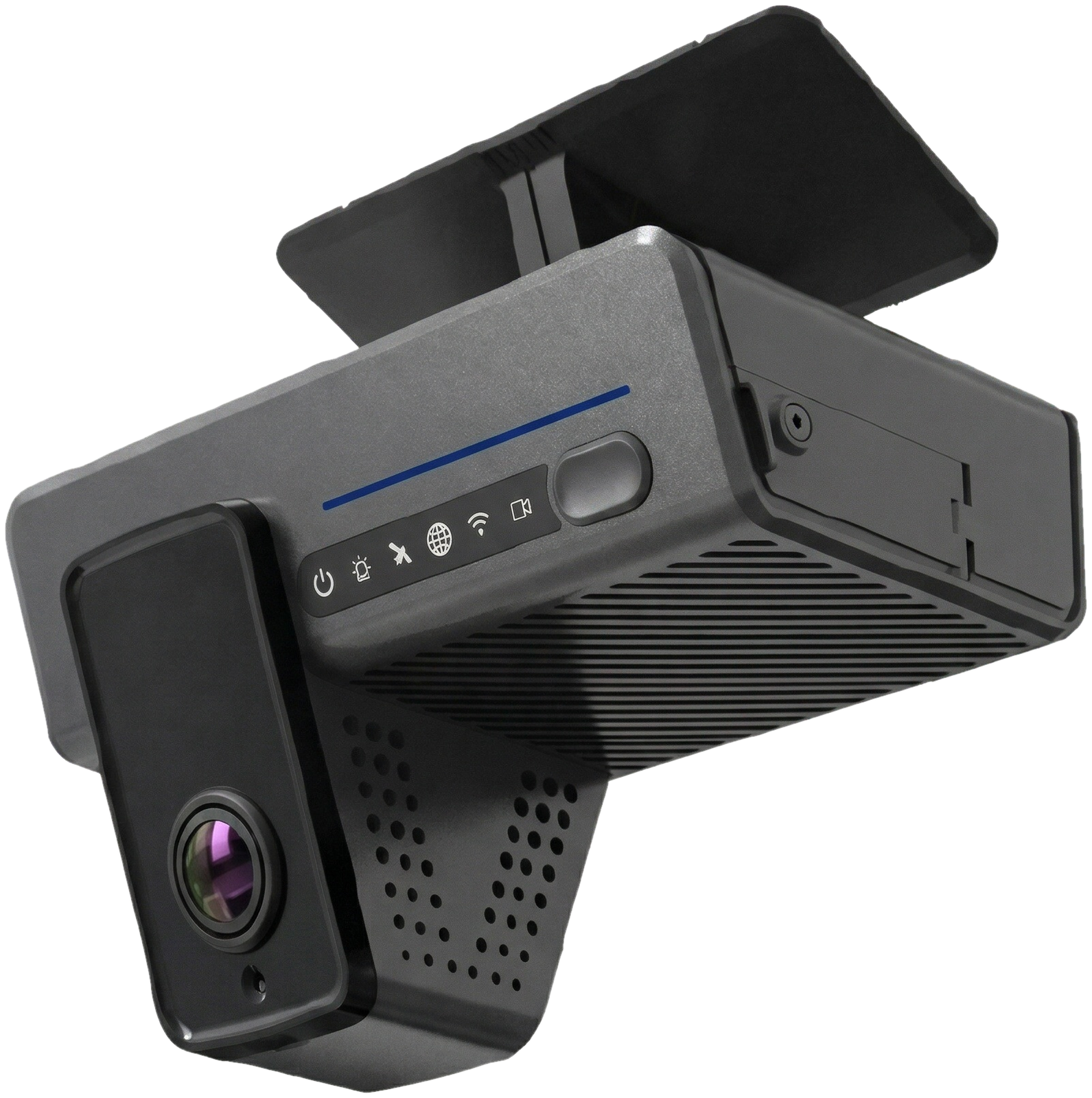
AI Dash Cam Series
A collection day is really two driving jobs: eight hours of stop-and-go on residential streets, then a loaded run to the transfer station. These cameras are built for both. Two models, one platform.
Included in Every Unit
One unit, no hub. Your trucks are only in the yard between shifts — a single-box install fits that window.
Collection routes put people inside the blind zone by design — a helper stepping off at the curb, a resident walking a cart out, a child on the way to school. When someone enters that zone, the system delivers immediate audible and visual alerts to the driver inside the cab. At the same moment an external strobe and speaker module fires, giving the person outside their own audible and visual warning — because the driver is not always the one with time to react.
Two AI Channels. One Device.
On the route, the risk is outside the cab — residents, children, helpers on the ground. On the haul to the transfer station, it moves inside it. Dedicated processors watch both at once, all day.
Forward Collision Warning
Closing speed on the haul leg, when the truck is loaded and slowest to stop
Headway Monitoring
Following distance on the run to the transfer station
Pedestrian Warning
Residents, children and helpers in the truck's path
Lane Departure Warning
Drift without signaling — most likely on the long, monotonous haul
Stop Sign Detection
Rolling stops, on routes that are dense with them
Speed Limit Recognition
Posted limits, including school-zone reductions on route
Distraction Detection
Head pose and gaze — the 600th stop of the day looks like the first
Fatigue & Drowsiness
Yawning and microsleep — routes that start at 4 a.m. are still running at 2 p.m.
Phone / Handheld Device
Flags handheld device use while driving
Seat Belt Detection
Belt use across hundreds of stops, where re-buckling is the habit that slips
Smoking Detection
AI enforces no-smoking policies in-cab
Camera Tamper Detection
Alerts when lens is deliberately covered
DMS — Driver Monitoring
ADAS — Road Safety
Expandable Camera Port
A dedicated auxiliary input adds a third angle — hopper, curb-side, or rear — so the camera covers the pickup and the load, not only the road ahead. No hardware swap.
Privacy Model — Road-Facing Only
Collection is a heavily organized workforce, and the driver-facing lens is usually where the conversation stalls. A road-facing-only variant runs the full ADAS suite with no interior camera at all — nothing pointed at the driver, nothing to negotiate.
Up to 1TB Onboard Storage
Dual SD card slots — 512GB each — for continuous loop recording with no gaps or missing footage.
Hands-Free 2-Way Communication
Built-in mic and speaker let dispatch talk to drivers safely and directly — no phone or radio required.
Real-Time Visibility. Zero Guesswork.
When a resident calls three days later about a mailbox or a car door, the footage from that truck at that time is already uploaded. Every camera reports into the Cloud platform.
WasteVision Driver Display
A compact windshield-mounted display that delivers instant visual and audible alerts the moment an AI event is detected.
Fleet-Wide Rollout in Minutes
Trucks are out from before dawn until mid-afternoon. An experienced technician completes an install in roughly 60 minutes — a truck can be fitted and back on route without losing a day.
Mount the Camera
Attach to the windshield with the included bracket — self-aligning every time.
Connect via OBD
Plug the OBD power cable into the vehicle port for instant, stable power.
Auto-Calibration
AI automatically calibrates both lenses — no manual tuning needed.
Live in Cloud Platform
Camera connects via 4G LTE and begins streaming data to your fleet portal immediately.